How to Move to Malta and Become a Resident: A Complete Guide
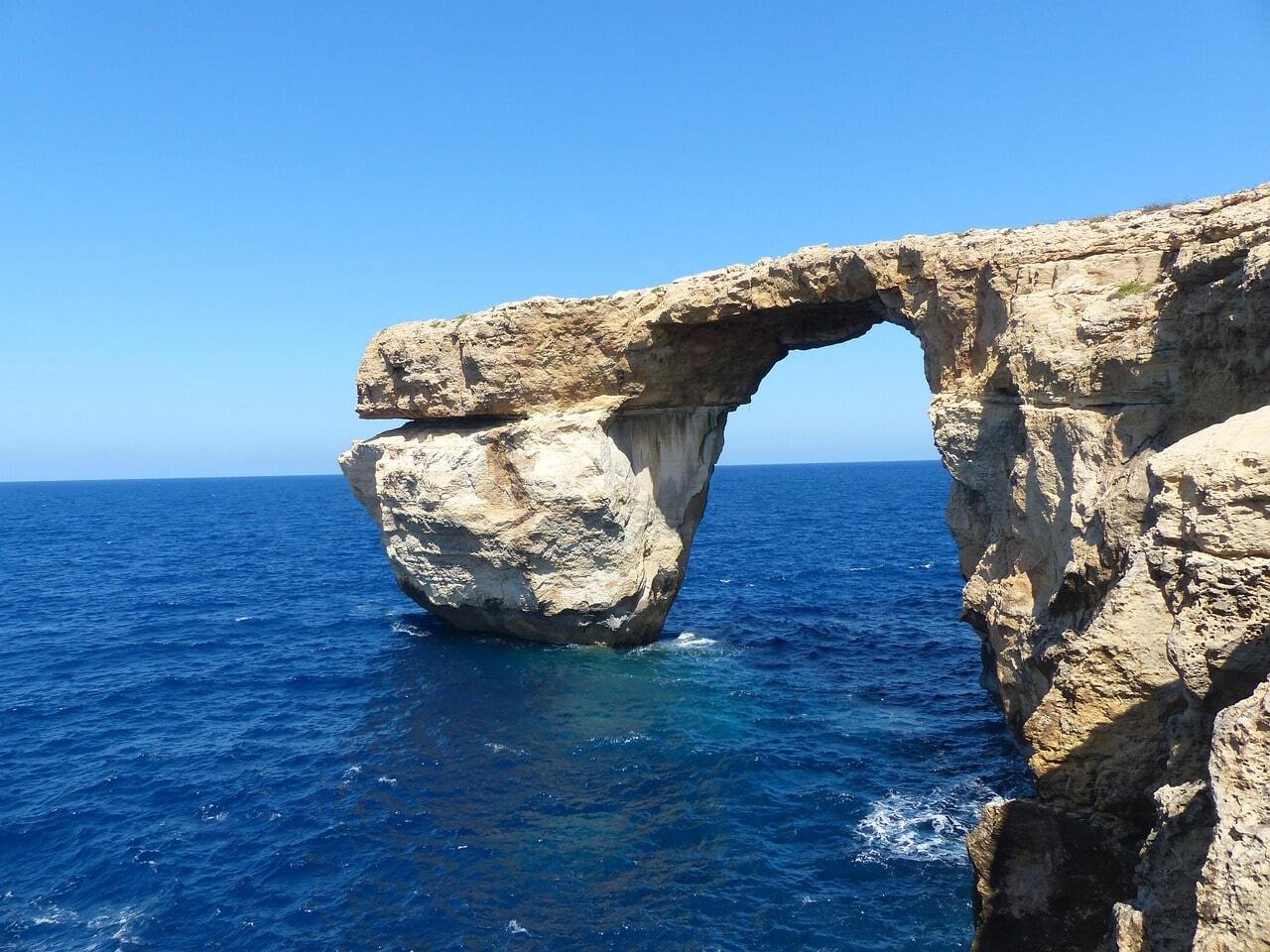
Malta, a sun-kissed archipelago in the heart of the Mediterranean, is quickly becoming one of the most attractive destinations for expats, retirees, and professionals seeking a high quality of life. From its rich history to its stunning coastline, friendly communities, and favourable tax regulations, Malta offers a unique combination of lifestyle benefits and practical advantages for anyone considering relocation. This guide will help you understand how to move to Malta, become a resident, and enjoy everything this lovely country has to offer.
Why Choose Malta?
Malta is more than just a beautiful Mediterranean island. Its appeal lies in its blend of culture, lifestyle, and economic advantages:
Whether you are seeking a peaceful coastal life, a thriving business environment, or a combination of both, Malta is an ideal choice.
Understanding Residency in Malta
There are several pathways to becoming a resident of Malta, depending on your circumstances and objectives:
1. Ordinary Residence
If you are planning to live in Malta for an extended period, you can apply for ordinary residence. This is suitable for individuals who intend to work, study, or retire in Malta. Ordinary residence requires you to demonstrate ties to the island, including accommodation, financial stability, and health insurance.
2. Global Residence Program
Malta’s Global Residence Program (GRP) is designed for non EU citizens who wish to enjoy a high standard of living with favourable tax treatment. By purchasing or renting property and fulfilling minimum stay requirements, GRP residents benefit from a flat tax rate on foreign income and enjoy the advantage that the overseas transfer charge does not apply if you are a resident in Malta.
3. Malta Retirement Program
For retirees, Malta offers a specific residency option under the Malta Retirement Programme (MRP). Retirees who relocate to Malta can enjoy low tax rates on foreign pensions, excellent healthcare, and the beautiful Mediterranean lifestyle.
4. EU/EEA Citizens
If you are a citizen of the EU, EEA, or Switzerland, moving to Malta is even simpler. You have the right to live and work in Malta, provided you register with the local authorities and meet residence requirements.
Steps to Become a Resident in Malta
Here’s a step-by-step guide to making Malta your home:
Step 1: Research and Choose Your Location
Malta is small but diverse, with each city offering something unique:
Consider lifestyle preferences, accessibility, and property prices when choosing where to live.
Step 2: Secure Accommodation
Residency applications often require proof of accommodation. Options include:
Step 3: Meet the Financial Requirements
Different residency programs have varying financial obligations:
Step 4: Apply for Residency
Prepare the necessary documentation:
Applications are submitted to the Identity Malta Agency, which handles all residence permits and related processes.
Step 5: Register for Local Services
Once approved, new residents should register for:
Living in Malta
Malta offers a lifestyle that balances leisure, culture, and business opportunities:
Work and Business
Malta’s economy is diverse, with thriving sectors in financial services, tourism, gaming, and IT. English speaking professionals find many employment opportunities, while entrepreneurs benefit from business friendly regulations and access to the EU market.
Leisure and Recreation
Malta’s location and climate support a wide range of activities:
Education and Healthcare
Malta offers high quality education, from primary to tertiary levels, with options for international schools. Healthcare is accessible and of good standard, with private and public options available.
Tax Advantages and Financial Benefits
One of the most significant advantages of moving to Malta is its favourable tax system:
Malta’s Charm: Cities, Culture, and Lifestyle
Malta is a country of contrasts, offering a little something for everyone:
Valletta
The capital is a living museum, with stunning architecture, historical forts, and a lively cultural scene. Must see sites include St. John’s Co Cathedral and the Upper Barrakka Gardens.
Sliema
Known for its modern lifestyle, shopping, and waterfront promenade, Sliema offers easy access to cafes, restaurants, and nightlife.
St. Julian’s
The island’s entertainment hub, famous for Paceville nightlife, trendy bars, and seaside dining.
Mdina and Rabat
For those seeking peace, Mdina’s narrow streets and ancient walls offer a tranquil escape, while Rabat provides cultural depth and historic architecture.
Gozo and Comino
Gozo is ideal for slower paced living, hiking, and beaches, while Comino is perfect for day trips and the Blue Lagoon’s crystal clear waters.
Malta’s charm also extends to its people. The locals are friendly, English-speaking, and welcoming to expats, making integration smooth and enjoyable.
Tips for a Smooth Relocation
Conclusion
Moving to Malta is an exciting opportunity for anyone seeking a sunny, culturally rich, and financially advantageous lifestyle. Whether you are planning to retire, work, or start a business, Malta offers welcoming communities, historic cities, and beautiful natural landscapes. Importantly, becoming a resident exempts you from the overseas transfer charge, making financial relocation more efficient and stress-free.
Malta is more than a destination; it’s a lifestyle. From Valletta’s historic streets to Gozo’s serene beaches, there is a perfect place for everyone. With careful planning, the right residency program, and an understanding of local regulations, relocating to Malta can be a seamless and rewarding experience.
For professional assistance and guidance on moving to Malta and becoming a resident, you can reach out to:
Contact Details:
Website: www.gcqrops.com
Email: QROPS@MSN.COM
Phone: +34 698 243 745
Disclaimer: This article is for information purposes only and does not constitute financial or legal advice.
Malta, a sun-kissed archipelago in the heart of the Mediterranean, is quickly becoming one of the most attractive destinations for expats, retirees, and professionals seeking a high quality of life. From its rich history to its stunning coastline, friendly communities, and favourable tax regulations, Malta offers a unique combination of lifestyle benefits and practical advantages for anyone considering relocation. This guide will help you understand how to move to Malta, become a resident, and enjoy everything this lovely country has to offer.
Why Choose Malta?
Malta is more than just a beautiful Mediterranean island. Its appeal lies in its blend of culture, lifestyle, and economic advantages:
- Mediterranean Climate: With over 300 days of sunshine annually, Malta’s climate is perfect for those who enjoy mild winters and warm summers.
- Historical Charm: Valletta, Malta’s capital and a UNESCO World Heritage site, boasts impressive baroque architecture, historic fortresses, and museums. Mdina, the “Silent City,” offers a glimpse into Malta’s medieval past.
- Vibrant Coastal Life: Cities like Sliema and St. Julian’s are famous for bustling promenades, modern amenities, and a lively nightlife scene.
- Language: English is one of Malta’s official languages, making it easier for expatriates to integrate and conduct business.
- Favourable Tax System: Malta offers residency programs with attractive tax advantages, including exemptions on overseas transfer charges if you are a resident.
Whether you are seeking a peaceful coastal life, a thriving business environment, or a combination of both, Malta is an ideal choice.
Understanding Residency in Malta
There are several pathways to becoming a resident of Malta, depending on your circumstances and objectives:
1. Ordinary Residence
If you are planning to live in Malta for an extended period, you can apply for ordinary residence. This is suitable for individuals who intend to work, study, or retire in Malta. Ordinary residence requires you to demonstrate ties to the island, including accommodation, financial stability, and health insurance.
2. Global Residence Program
Malta’s Global Residence Program (GRP) is designed for non EU citizens who wish to enjoy a high standard of living with favourable tax treatment. By purchasing or renting property and fulfilling minimum stay requirements, GRP residents benefit from a flat tax rate on foreign income and enjoy the advantage that the overseas transfer charge does not apply if you are a resident in Malta.
3. Malta Retirement Program
For retirees, Malta offers a specific residency option under the Malta Retirement Programme (MRP). Retirees who relocate to Malta can enjoy low tax rates on foreign pensions, excellent healthcare, and the beautiful Mediterranean lifestyle.
4. EU/EEA Citizens
If you are a citizen of the EU, EEA, or Switzerland, moving to Malta is even simpler. You have the right to live and work in Malta, provided you register with the local authorities and meet residence requirements.
Steps to Become a Resident in Malta
Here’s a step-by-step guide to making Malta your home:
Step 1: Research and Choose Your Location
Malta is small but diverse, with each city offering something unique:
- Valletta: Ideal for culture lovers and history enthusiasts.
- Sliema: A bustling hub for shopping, dining, and waterfront living.
- St. Julian’s: Known for nightlife and entertainment.
- Mdina and Rabat: Perfect for those seeking tranquillity and historic charm.
- Gozo and Comino: Offer a slower pace of life, natural beauty, and outdoor activities.
Consider lifestyle preferences, accessibility, and property prices when choosing where to live.
Step 2: Secure Accommodation
Residency applications often require proof of accommodation. Options include:
- Buying property: Ideal for long term investment and eligibility under certain residency programs.
- Renting property: Suitable for temporary residence or testing life in Malta before committing to a purchase.
Step 3: Meet the Financial Requirements
Different residency programs have varying financial obligations:
- Income Thresholds: Most programs require proof of stable income, such as pension, employment income, or savings.
- Health Insurance: Comprehensive health coverage is mandatory.
- Tax Compliance: Being a resident may exempt you from overseas transfer charges, making relocation more financially efficient.
Step 4: Apply for Residency
Prepare the necessary documentation:
- Passport or ID
- Proof of address in Malta
- Financial evidence and bank statements
- Health insurance policy
- Background checks (if applicable)
Applications are submitted to the Identity Malta Agency, which handles all residence permits and related processes.
Step 5: Register for Local Services
Once approved, new residents should register for:
- Tax Number: Essential for employment, banking, and property transactions.
- Driving License Conversion: If you plan to drive in Malta.
- Local Healthcare: Enrol in the national healthcare system if eligible.
Living in Malta
Malta offers a lifestyle that balances leisure, culture, and business opportunities:
Work and Business
Malta’s economy is diverse, with thriving sectors in financial services, tourism, gaming, and IT. English speaking professionals find many employment opportunities, while entrepreneurs benefit from business friendly regulations and access to the EU market.
Leisure and Recreation
Malta’s location and climate support a wide range of activities:
- Beaches: Golden Bay, Mellieha Bay, and Ramla Bay are perfect for sunbathing and water sports.
- Diving: Explore underwater wrecks, caves, and vibrant marine life.
- Festivals: Valletta and Mdina host annual cultural events, including the Malta International Arts Festival.
- Dining: Enjoy Mediterranean cuisine, fresh seafood, and a growing international food scene.
Education and Healthcare
Malta offers high quality education, from primary to tertiary levels, with options for international schools. Healthcare is accessible and of good standard, with private and public options available.
Tax Advantages and Financial Benefits
One of the most significant advantages of moving to Malta is its favourable tax system:
- No Overseas Transfer Charge for Residents: Individuals who become Maltese residents can transfer overseas funds without incurring the overseas transfer charge. This is particularly beneficial for retirees, business owners, or those with pension funds abroad.
- Flat Tax Rates for Certain Residency Programs: Programs such as GRP allow for flat rates on foreign income.
- Double Taxation Treaties: Malta has agreements with many countries to prevent double taxation, making it financially efficient for expats.
Malta’s Charm: Cities, Culture, and Lifestyle
Malta is a country of contrasts, offering a little something for everyone:
Valletta
The capital is a living museum, with stunning architecture, historical forts, and a lively cultural scene. Must see sites include St. John’s Co Cathedral and the Upper Barrakka Gardens.
Sliema
Known for its modern lifestyle, shopping, and waterfront promenade, Sliema offers easy access to cafes, restaurants, and nightlife.
St. Julian’s
The island’s entertainment hub, famous for Paceville nightlife, trendy bars, and seaside dining.
Mdina and Rabat
For those seeking peace, Mdina’s narrow streets and ancient walls offer a tranquil escape, while Rabat provides cultural depth and historic architecture.
Gozo and Comino
Gozo is ideal for slower paced living, hiking, and beaches, while Comino is perfect for day trips and the Blue Lagoon’s crystal clear waters.
Malta’s charm also extends to its people. The locals are friendly, English-speaking, and welcoming to expats, making integration smooth and enjoyable.
Tips for a Smooth Relocation
- Visit Before You Move: Spend time exploring different towns, properties, and lifestyle options.
- Understand Residency Rules: Different programs have unique requirements; professional advice can save time and ensure compliance.
- Healthcare and Insurance: Make arrangements before relocating to avoid unexpected costs.
- Banking and Finances: Open a local bank account for easier transactions and tax compliance.
- Social Integration: Engage with local communities and expat groups to settle in faster.
Conclusion
Moving to Malta is an exciting opportunity for anyone seeking a sunny, culturally rich, and financially advantageous lifestyle. Whether you are planning to retire, work, or start a business, Malta offers welcoming communities, historic cities, and beautiful natural landscapes. Importantly, becoming a resident exempts you from the overseas transfer charge, making financial relocation more efficient and stress-free.
Malta is more than a destination; it’s a lifestyle. From Valletta’s historic streets to Gozo’s serene beaches, there is a perfect place for everyone. With careful planning, the right residency program, and an understanding of local regulations, relocating to Malta can be a seamless and rewarding experience.
For professional assistance and guidance on moving to Malta and becoming a resident, you can reach out to:
Contact Details:
Website: www.gcqrops.com
Email: QROPS@MSN.COM
Phone: +34 698 243 745
Disclaimer: This article is for information purposes only and does not constitute financial or legal advice.